

The Fermentation Lab
Where Grains, microbes, and process become flavor
Real experiments. Real systems. Real outcomes.
Start Here
Yeast Doesn’t Just Make Alcohol
Why fermentation drives flavor in beer, wine, and spirits
Why Yeast Defines Beer Styles
From clean lagers to expressive ales
Distillation Reveals - It doesn’t create
Why Fermentation sets the ceiling for flavor.
1.045 vs 1.080 - What Changes?
How gravity impacts flavor, yield, and stress.
Fermentation Builds Wine Structure
Acidity, aroma, and mouthfeel start here.
Microbial Terroir Explained
How environment shapes fermentation outcomes.
Fermentation doesn’t care what you’re making.
Beer. Wine. Spirits.
The same biological system is at work —
just expressed through different processes.
Different outcomes.
Same foundation.
Where Corn Begins.
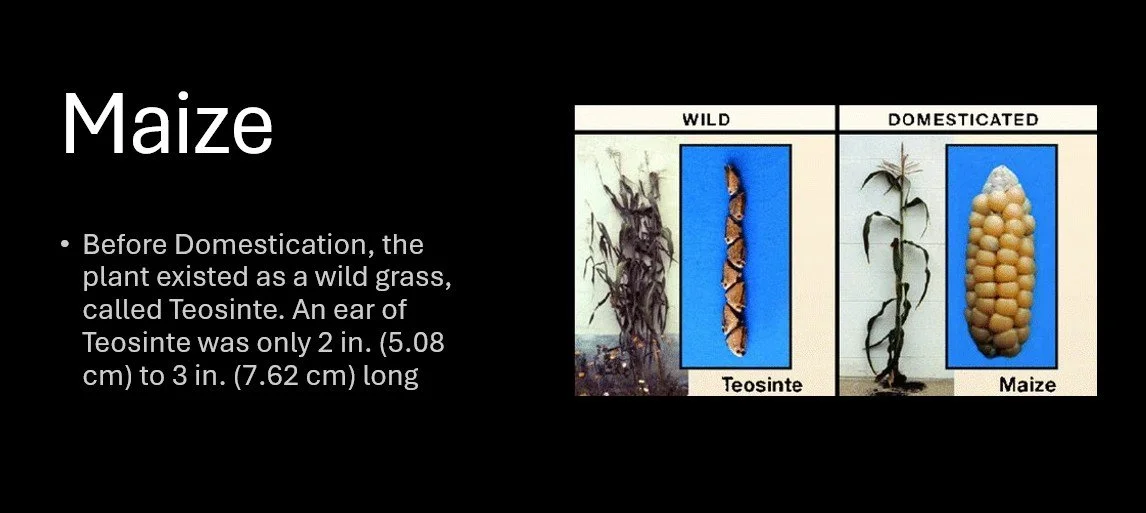
Corn wasn’t just grown — it was engineered over thousands of years.
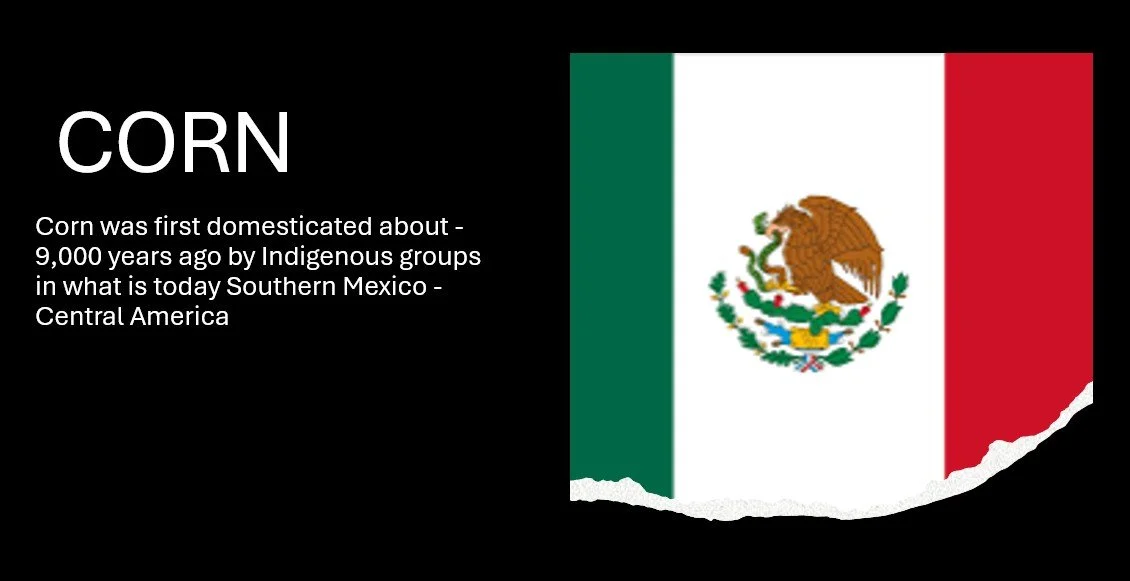
What we ferment today is the result of 9,000 years of selection.
More Than a Crop
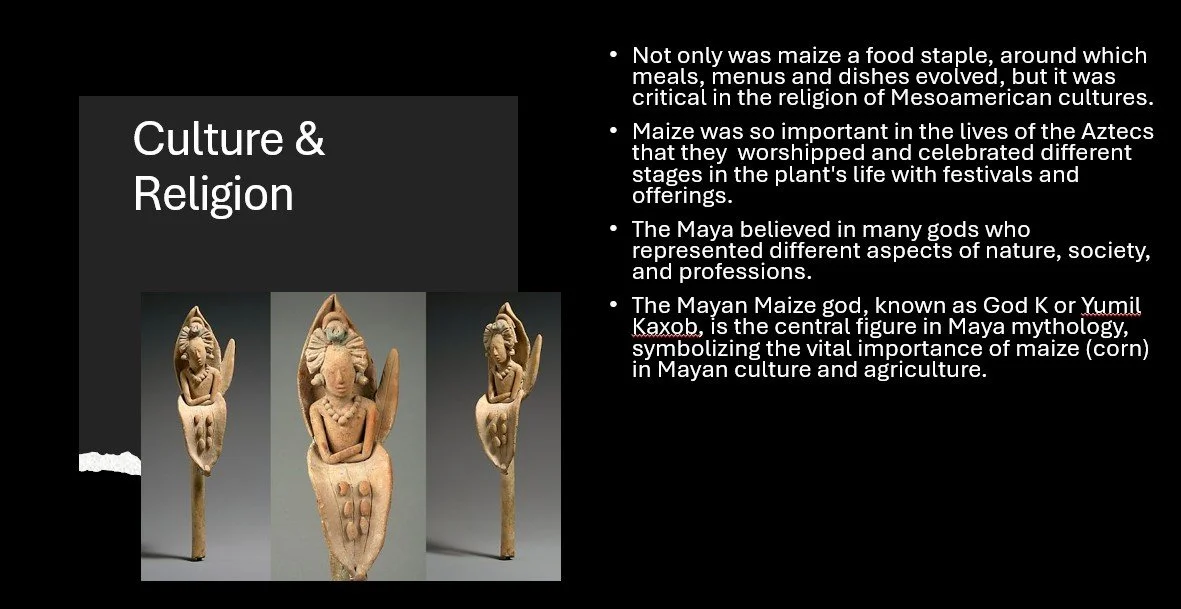
Corn wasn’t just food.
It shaped religion, society, and identity.
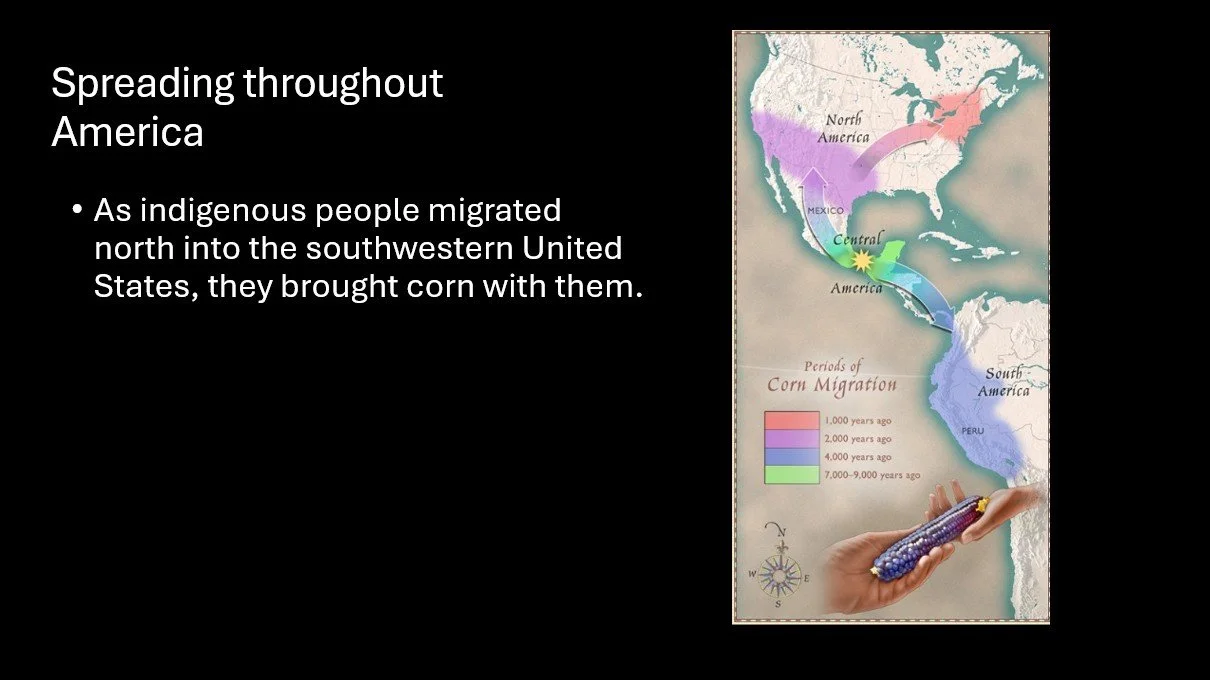
From Mesoamerica to the World
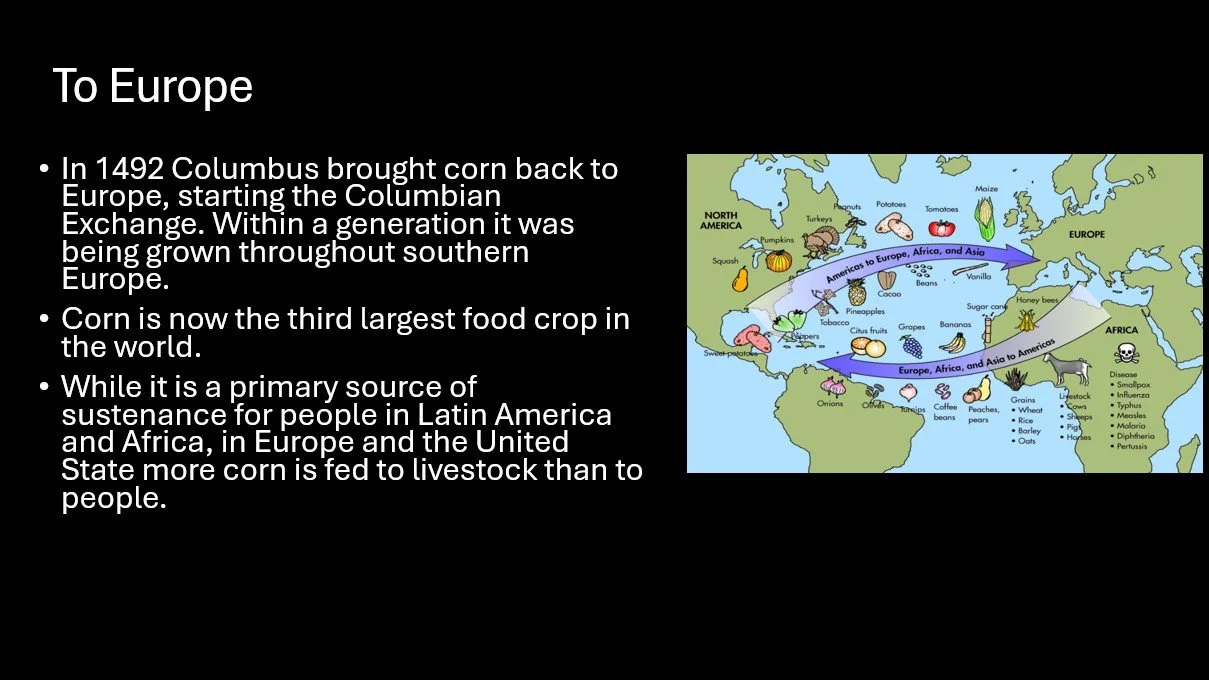
Not All Corn is the Same.
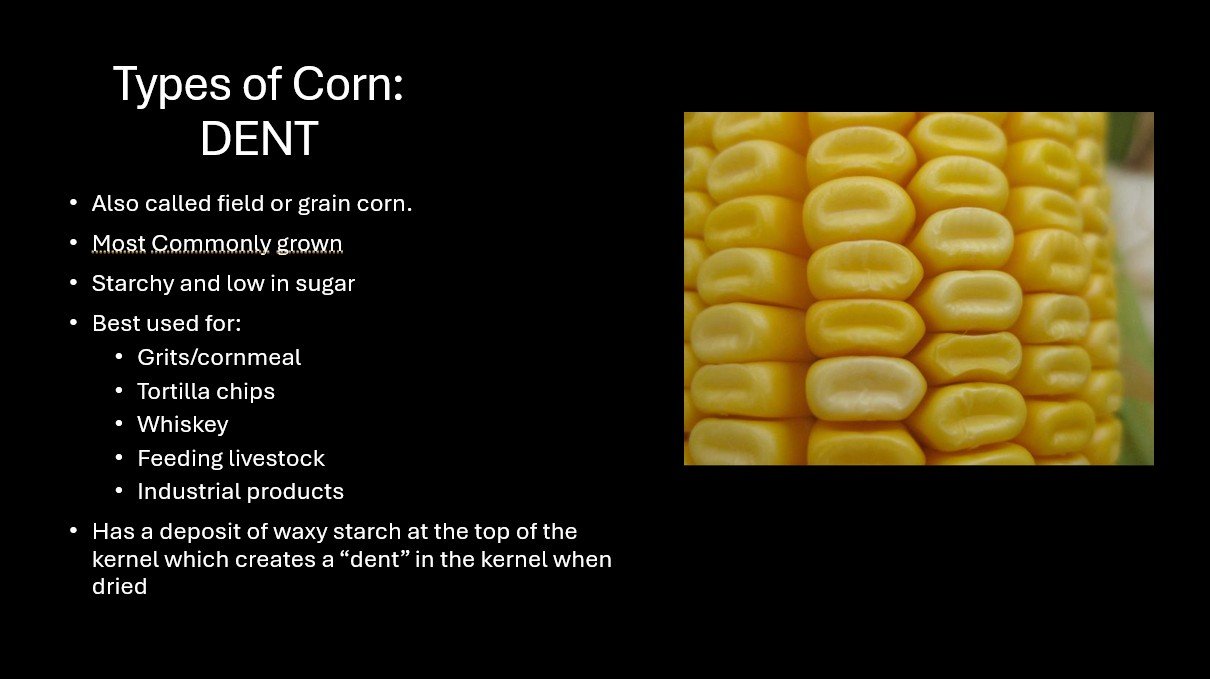
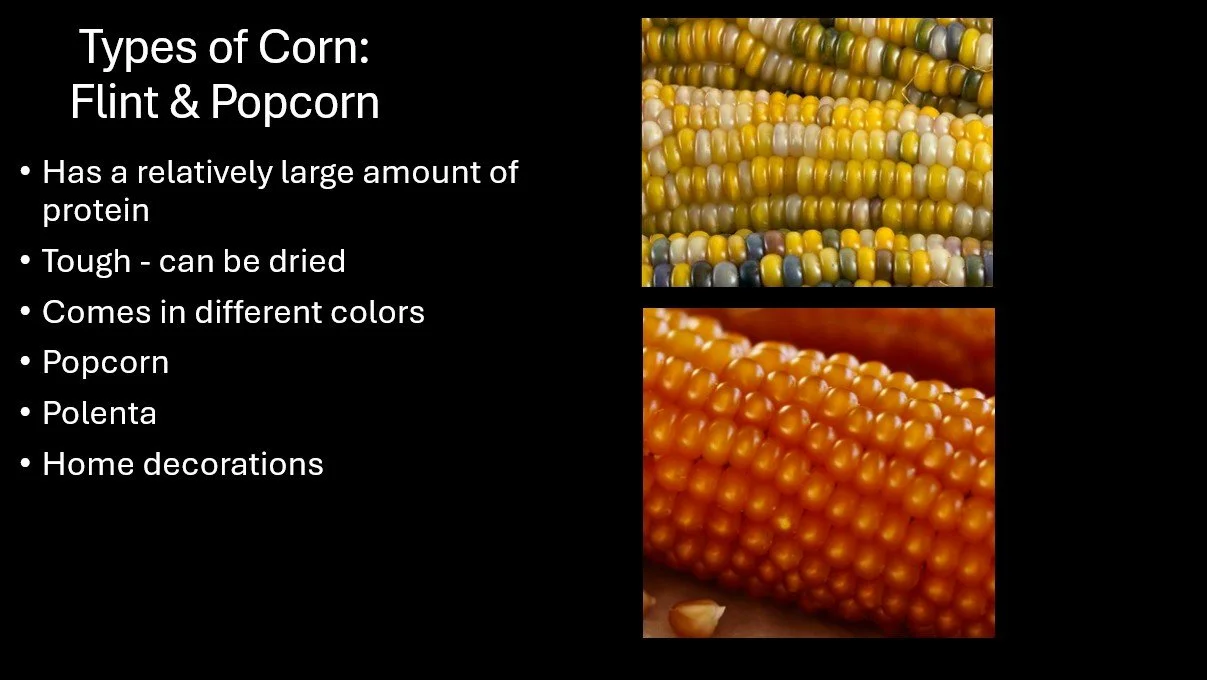
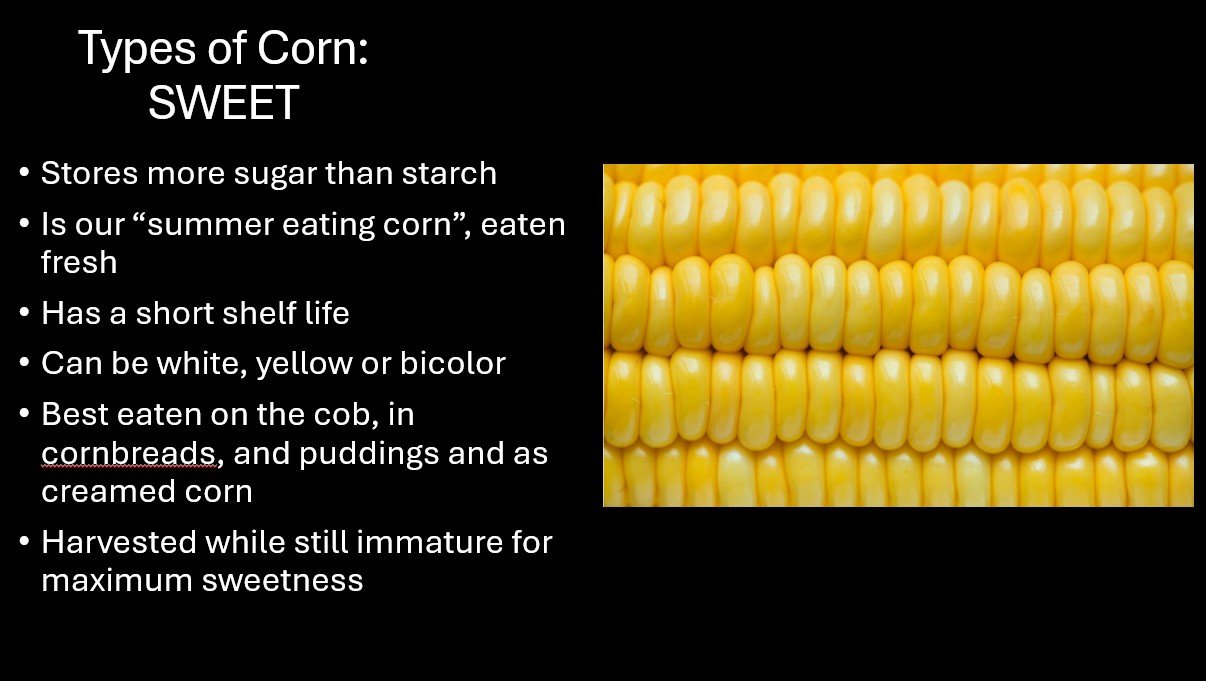
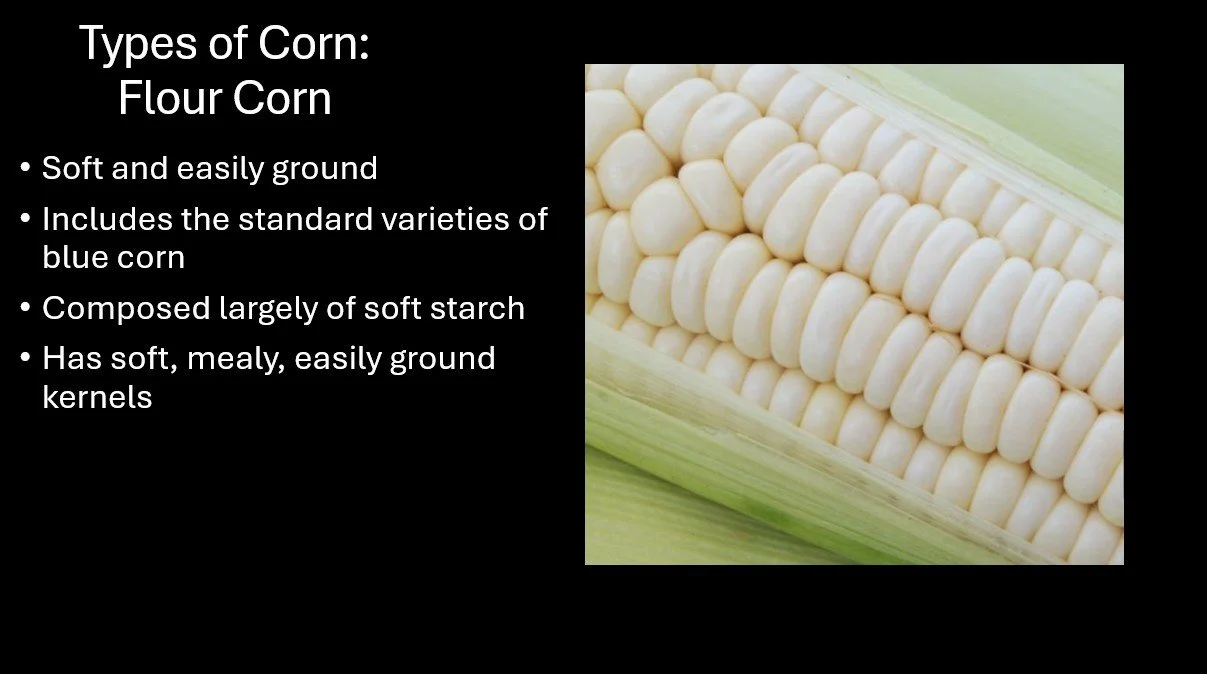
Where Fermentation Actually Happens
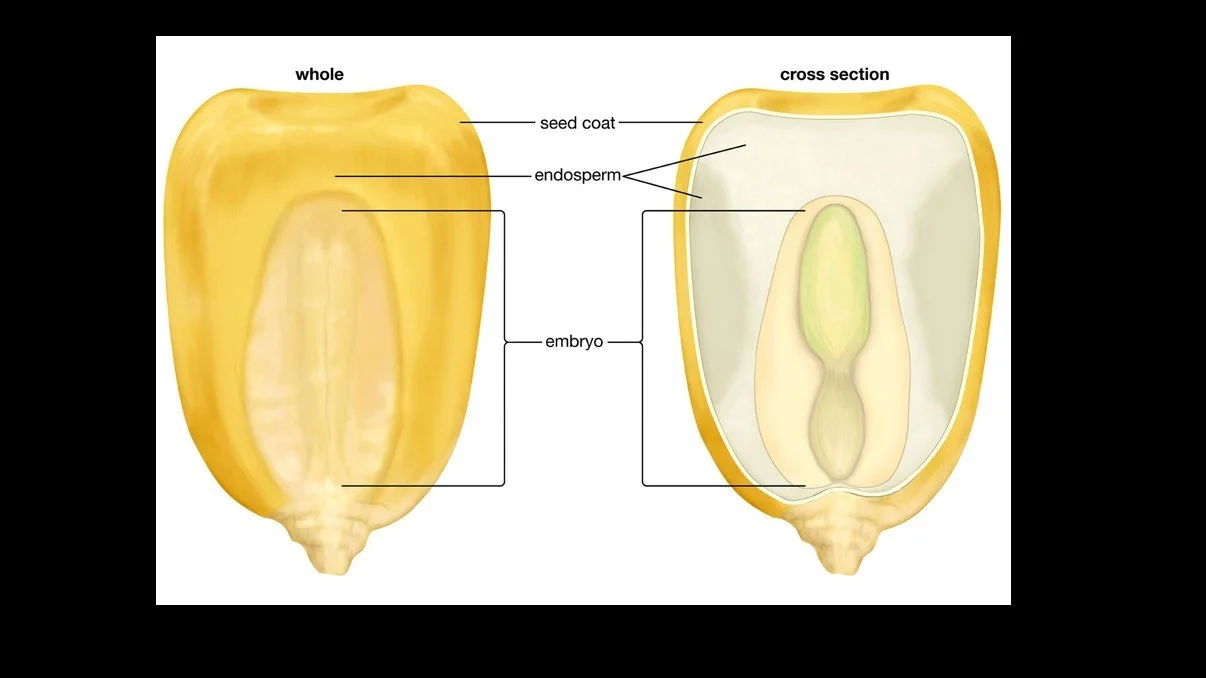
Why This Matters in Fermentation
Different corn types don’t just change yield.
They change fermentation behavior, ester production, and final flavor.
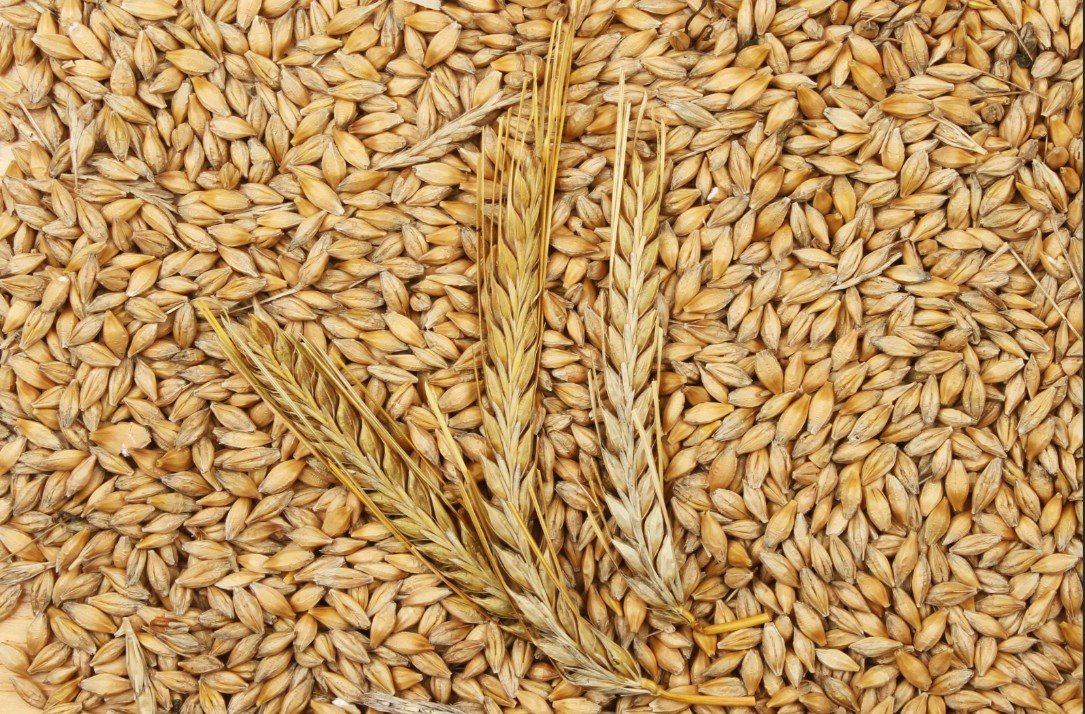
Barley Isn’t Just a Grain
Barley isn’t just a source of starch.
It’s one of the only grains that brings it’s own enzymatic system to fermentation.
Alpha and Beta amylase don’t just convert starch -
they control how fermentation unfolds.
This is why barley behaves differently than corn, wheat, or rye.
It doesn’t just feed fermentation.
It shapes it.
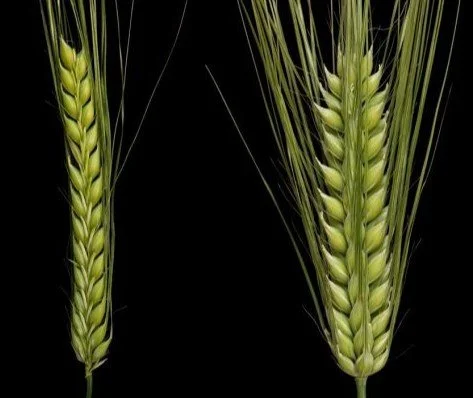
Structure Defines Fermentation
2-row and 6-row barley don’t just look different.
They ferment differently.
Protein levels, enzyme potential, and kernel structure all influence:
• Fermentation speed
• Yeast stress
• Nutrient availability
• Ester development
Same grain.
Different structure.
Different fermentation behavior.
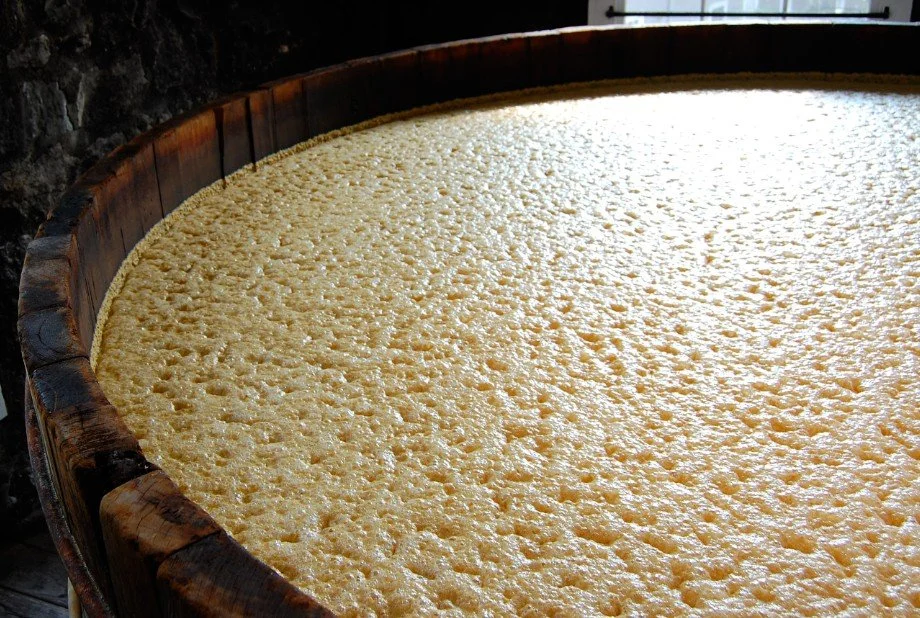
The Difference Shows Up in Fermentation
2-row barley tends to produce:
• Smoother fermentation
• More stable yeast activity
• Cleaner ester expression
6-row barley drives:
• Faster fermentation
• Higher nitrogen availability
• More aggressive yeast behavior
The result isn’t just efficiency.
It’s a completely different fermentation dynamic.
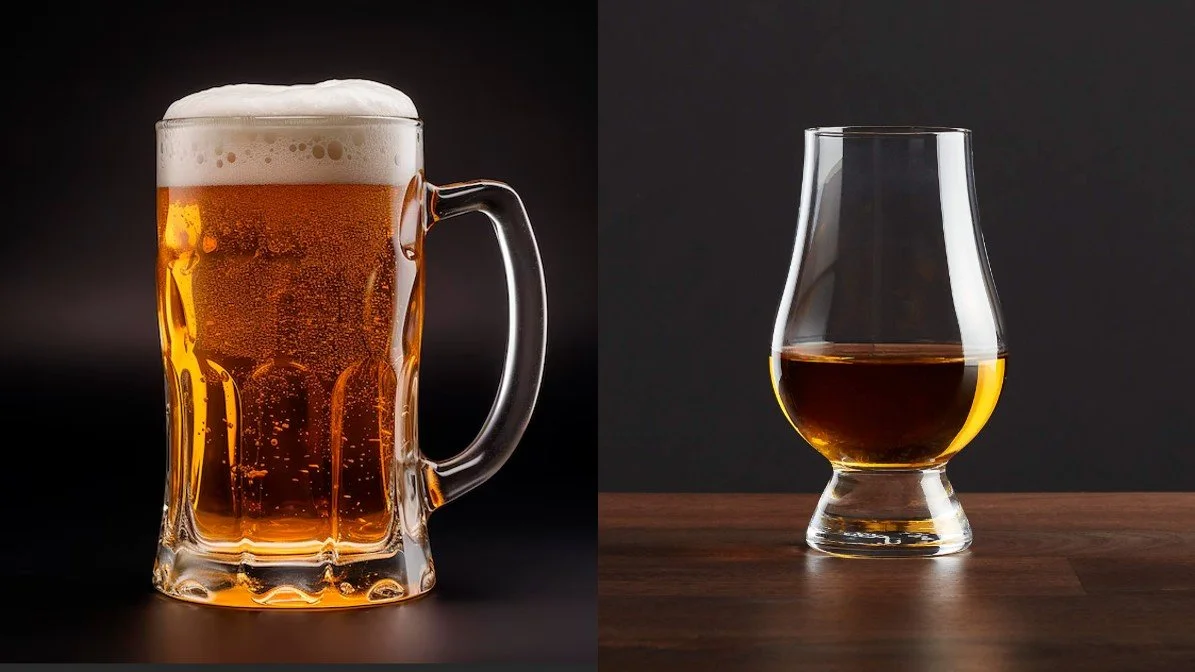
Barley Across Fermentation Systems
Barley is most commonly associated with beer.
It’s the backbone of brewing — valued for its enzymatic power, fermentability, and consistency.
But that same grain behaves very differently in distillation.
In beer:
• Barley defines body, malt character, and balance
• Fermentation is preserved and consumed
In distillation:
• Barley defines conversion and fermentation behavior
• Fermentation is distilled — not finished
Same grain.
Different system.
Different objective.
Same Biology. Different Outcome.
The yeast doesn’t know if it’s making beer or whiskey.
It responds to:
• Sugar composition
• Nitrogen levels
• Fermentation conditions
Barley influences all of these.
What changes is not the biology.
It’s what the producer chooses to do with the result.
Barley Is a Fermentation Lever
Choosing how barley is grown, selected, and processed isn’t just a raw material decision.
It’s a fermentation decision.
Across beer, distillation, and other fermented beverages, barley influences:
• Conversion efficiency
• Fermentation behavior
• Yeast activity and stress
• Flavor development
What changes is not the biology.
It’s how the fermentation is managed —
and what happens after it.
In beer, fermentation is finished and consumed.
In distillation, fermentation is refined and separated.
But in both cases, the outcome is shaped long before the final step.
Control the inputs.
Shape fermentation.
Define the outcome.
Explore the Full Barley Breakdown
This is the full system behind barley —
from grain structure to fermentation behavior to final outcome.
If you want to go deeper, the full presentation walks through:
• 2-row vs 6-row structure
• Enzyme systems and conversion
• Fermentation dynamics
• Flavor development across systems
Explore the Full Barley Breakdown
This presentation walks through the full system behind barley →
from grains structure to fermentation behavior to final outcome.